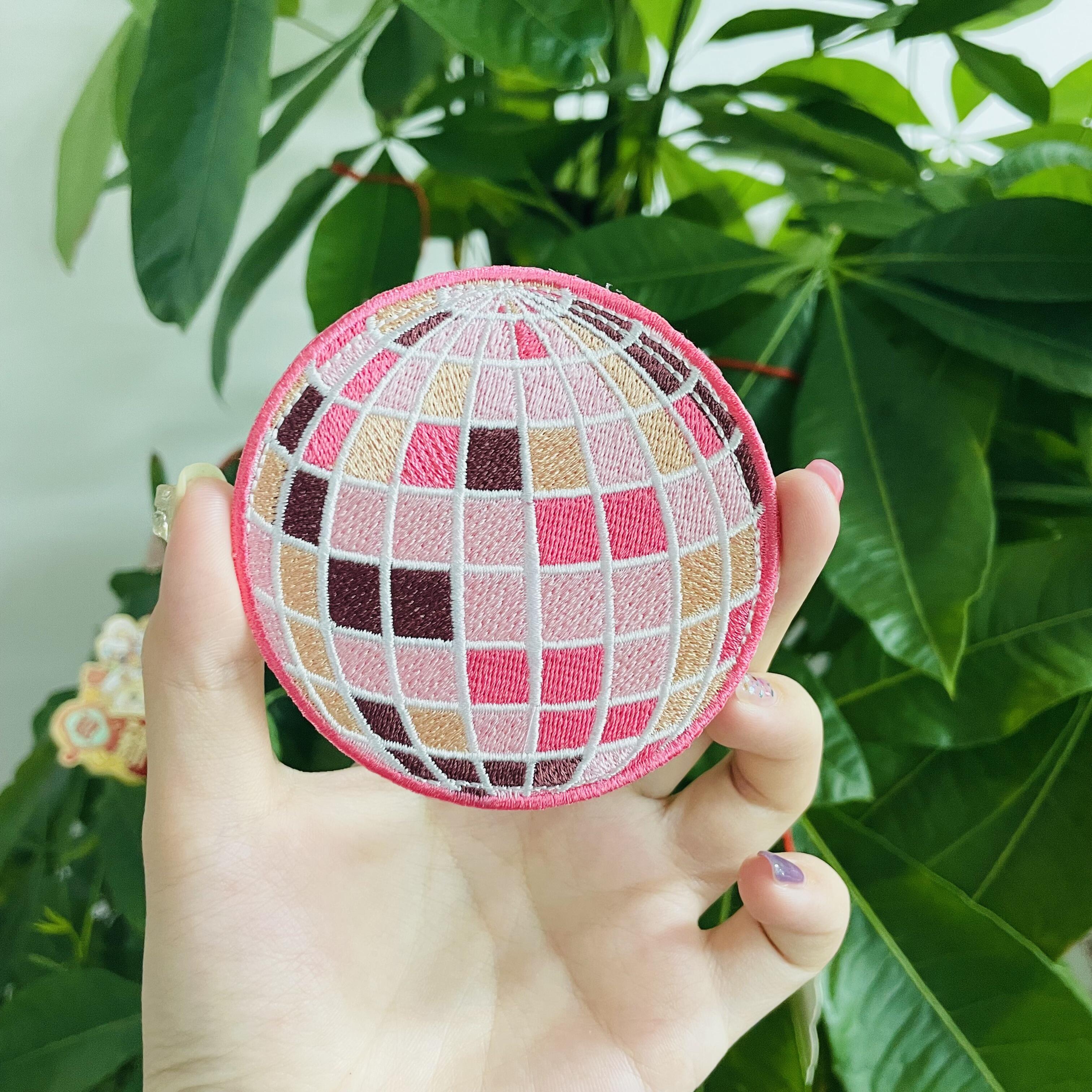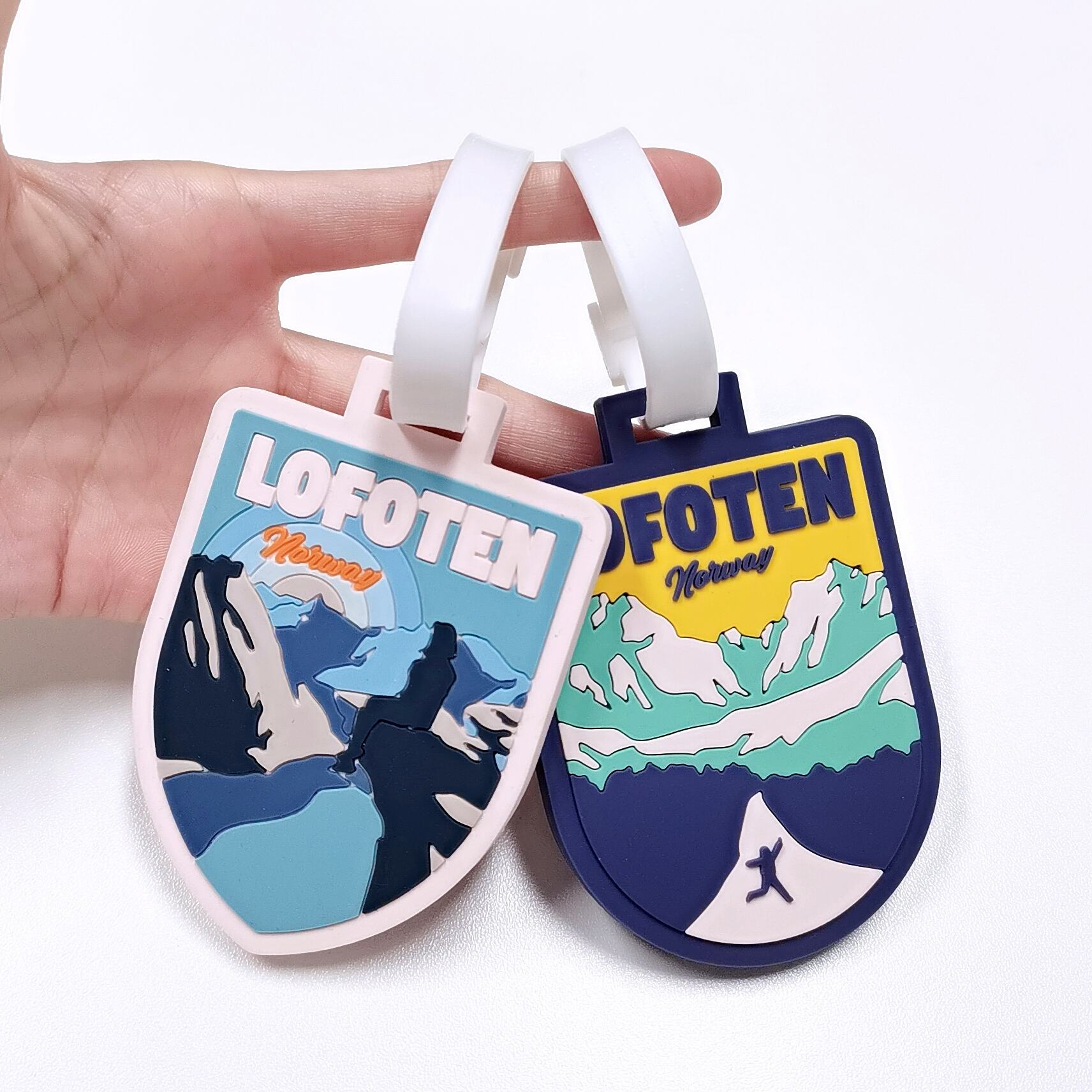
Do you know what custom die cast medals are? These are tiny, but can be quite elaborate and fancy. They wear them in support of particular causes, symbols, or personal messages. So in this article, we are going to dive a little further into die cast lapel pins. They will learn it history, how they are designed, the different ways they can be used, the latest trends, and some tips and tricks about them.
Now, let’s look into the origin of lapel pins. The history of lapel pins stretches all the way back to the 13th century. The idea comes from back in the day when knights presented unofficial badges when competing to signify their rank and accomplishments. Over time, the lapel pin evolved into suffix of social status. In the 1800s, these pins were used to express political opinions. People would wear these to signal which political side they were on, and they could find each other at a glance that way.
So now we know about the history, now we take a look at what sets die cast lapel pins apart. Pins are die-cast by stamping metal into a preformatted mold that has the design etched into it. They vary in size, shape, and color, making them incredibly versatile. Certain pins have a 3D design (which pops out and looks more dimensional), while others are flat (or 2D), but typically the flat (2D) pins are the more affordable option.
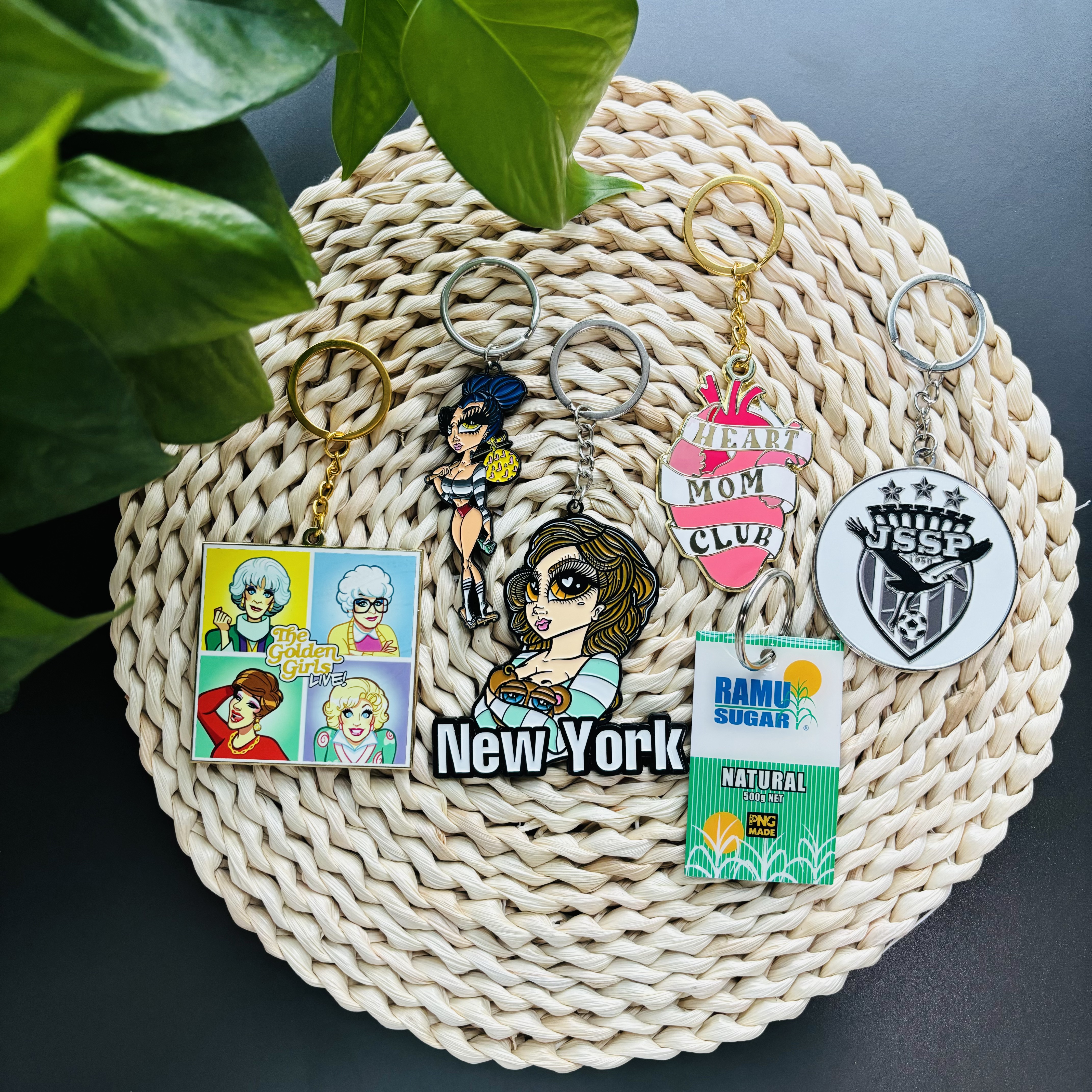
There are also specialty types of lapel pins, such as magnetic pins. These pin have a magnet which makes it easier to wear and off without pierce your clothes. Butterfly clutch is the most popular type of pin attachments that are used for these pins. This is a small piece of metal with a spring that ensures the pin on the vogue delivers high-precision performance. A rubber clasp is another option, providing a secure grip on your clothes.
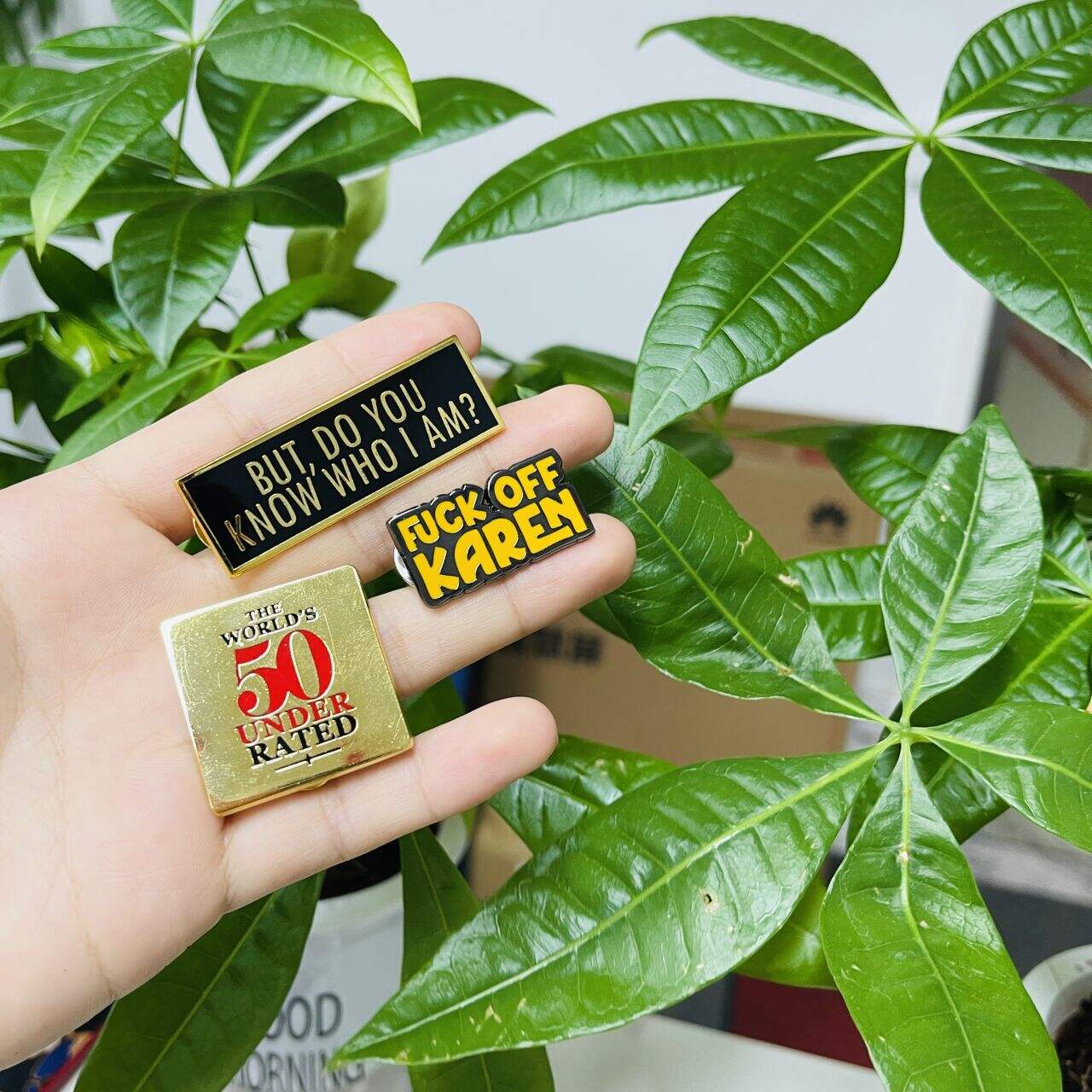
Die cast lapel pins are not only aesthetically pleasing but also versatile in their applications. They also make excellent gifts for all occasions because they are small and detailed accessories. They, like for example, can be used to celebrate special occasions such as weddings, baby showers and anniversaries. They can also celebrate important milestones, like graduations or new jobs. There is also a generous prevalence of lapel pins for promoting a charity or organisation queuing up with the wearers. Some charities and non-profits design die cast lapel pins to raise money for their work.
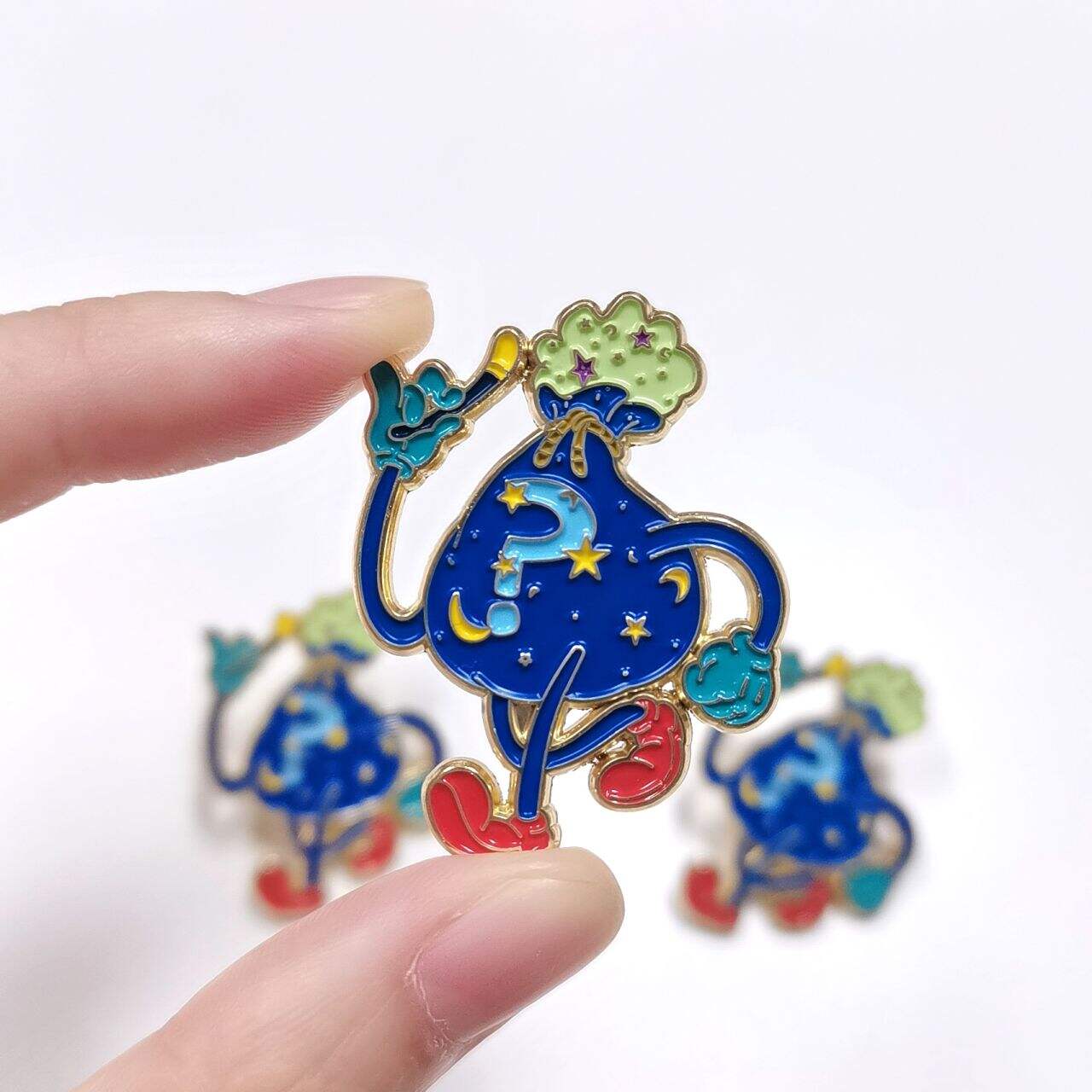
Another cool trend is adding technology to lapel pins. Some companies are starting to make pins that use a special chip called NFC (Near Field Communication). The pins are interactive, which means they would have the ability to provide extra information or even give you a chance to win a prize when tapped with a smartphone. Thus, lapel pins are no longer simply accessories — they can serve even more!
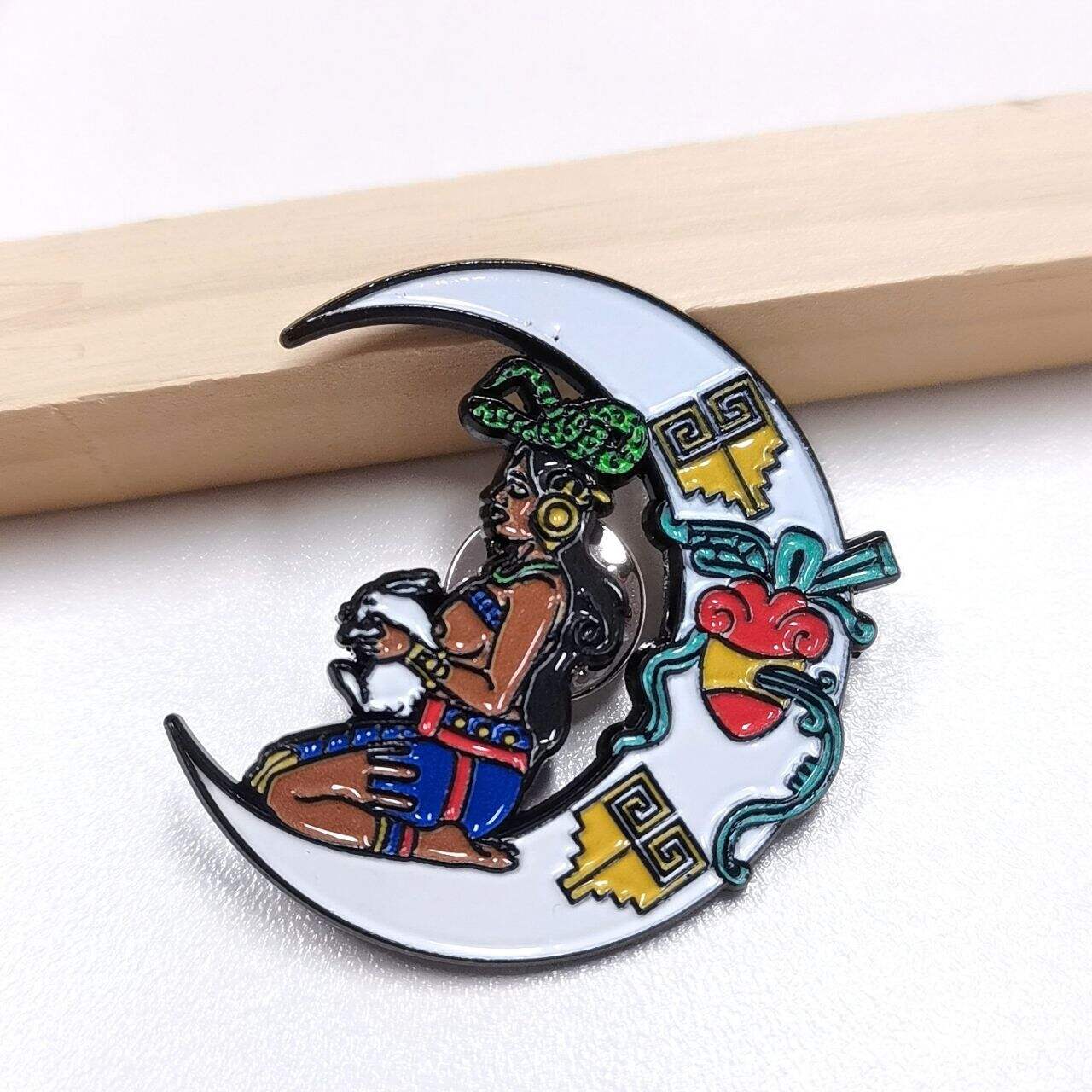
If you are considering creating a die cast lapel pin, you should keep some key pointers in mind. The first thing to consider is what size, shape and resolution you want for your pin. It should be the size you intend to use. For example, if you are looking for a pin for daily wear, it should be less elaborate and smaller. But if it’s a pin for something special, it may be bigger, more detailed.

Custom productions like magic , PINSBACK magicians can turn your ideas into reality, become a very awesome product!


1328,1329,1334 Yihualing Peak, Shiqi Street, Zhongshan City, Guangdong Province, China
Opening Hours: 6:30am~24:00pm
Copyright © Zhongshan Wantai Crafts Gifts Co., Ltd. All Rights Reserved


 EN
EN
 AR
AR
 BG
BG
 HR
HR
 CS
CS
 DA
DA
 NL
NL
 FI
FI
 FR
FR
 DE
DE
 EL
EL
 HI
HI
 IT
IT
 JA
JA
 KO
KO
 NO
NO
 PL
PL
 PT
PT
 RO
RO
 RU
RU
 ES
ES
 SV
SV
 TL
TL
 ID
ID
 LV
LV
 LT
LT
 SR
SR
 SK
SK
 SL
SL
 UK
UK
 HU
HU
 MT
MT
 TR
TR
 AF
AF
 MS
MS
 GA
GA
 IS
IS
 MK
MK
 HY
HY
 KA
KA